

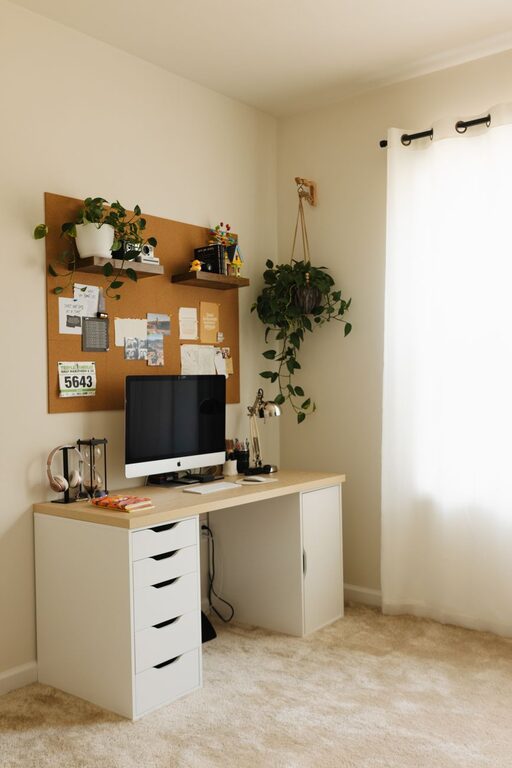
Creating a home office that feels both cozy and productive can make a significant difference in how you work and how you feel throughout the day. Whether you’re working remotely, freelancing, or simply need a dedicated spot for personal projects, designing a space that inspires focus and comfort is key. In this post, we’ll explore practical strategies to help you build an inviting home office where you can thrive.
Why a Cozy and Productive Workspace Matters
A well-designed home office boosts your motivation, reduces distractions, and supports better work habits. When your workspace offers comfort and functionality, you’re more likely to stay engaged and enjoy your workday. Balancing coziness and productivity ensures your office feels welcoming without compromising efficiency.
1. Choose the Right Location
Selecting where in your home to set up your office is the first step. Consider these factors:
– Natural light: Opt for a spot with ample sunlight to help improve mood and energy.
– Privacy: Avoid high-traffic areas to minimize interruptions.
– Space: Make sure there’s enough room for your desk, chair, and storage.
Even a small nook or corner can transform into an excellent office with the right layout.
2. Invest in Comfortable and Functional Furniture
Your furniture plays a major role in your comfort and health.
– Ergonomic chair: Choose a chair with good lumbar support that encourages proper posture.
– Adjustable desk: A height-adjustable desk helps alternate between sitting and standing.
– Desk size: Ensure your desk can fit your computer, keyboard, and other essentials without clutter.
Comfortable furniture reduces fatigue and prevents aches, so you can focus longer.
3. Optimize Lighting for Work and Atmosphere
Lighting affects both productivity and mood.
– Natural light: Position your desk near a window to benefit from daylight.
– Task lighting: Use a desk lamp with adjustable brightness for focused work.
– Ambient lighting: Add soft lamps or fairy lights to create a cozy atmosphere, especially during evening hours.
Use light sources that reduce glare on screens and minimize eye strain.
4. Keep the Space Organized and Clutter-Free
A tidy workspace clears your mind and streamlines your workflow.
– Storage solutions: Use shelves, bins, or drawers to keep supplies neat.
– Cable management: Employ clips or sleeves to tidy cables.
– Declutter regularly: Set aside a few minutes each day to put things back in place.
An organized office improves concentration and reduces stress.
5. Add Personal Touches for Comfort and Inspiration
While keeping the space professional, add elements that make the office inviting.
– Plants: Houseplants improve air quality and add a natural touch.
– Artwork: Hang prints or photos that motivate or relax you.
– Textiles: Use cushions, rugs, or throws for a warm, soft feeling.
Personal touches make your home office uniquely yours and more enjoyable.
6. Minimize Noise and Distractions
A quiet environment helps you maintain focus.
– Noise-cancelling headphones: Useful if your home is noisy or you prefer music while working.
– Soundproofing: Consider rugs, curtains, or acoustic panels to absorb sound.
– Set boundaries: Communicate your working hours with household members to limit interruptions.
Creating a peaceful atmosphere promotes sustained productivity.
7. Maintain Good Air Quality and Temperature
Comfortable air quality and temperature are often overlooked but essential.
– Ventilation: Keep a window open or use an air purifier.
– Temperature control: Use fans or heaters to keep the temperature pleasant.
– Avoid clutter: Prevent dust buildup by keeping surfaces clean.
A fresh and comfortable environment helps you stay alert.
8. Incorporate Technology Wisely
Technology enhances productivity but should be used thoughtfully.
– Reliable internet: Ensure strong connectivity for video calls and research.
– Organized devices: Keep chargers and devices in a dedicated spot.
– Ergonomic accessories: Consider an external keyboard, mouse, or monitor for comfort.
Technology should support your tasks, not create distractions.
9. Establish a Routine and Use Your Space Wisely
Your home office works best when it’s part of a daily routine.
– Set office hours: Decide when to start and end work to create boundaries.
– Take breaks: Use your office space for movement or stretching during breaks.
– Separate work and relaxation: Avoid using your workspace for leisure activities to maintain mental separation.
A consistent routine helps maintain work-life balance.
—
Creating a home office that combines coziness and productivity doesn’t require a big budget or extensive remodeling. With thoughtful choices in location, furniture, lighting, and personalization, you can design a space that encourages focus and provides comfort throughout your workday. By following these tips, your home office can become a welcoming and efficient environment where you enjoy spending time.